
Фикус Гинсенг 6/15

288 ₽ × 4 Split payments
- and we'll find out the delivery cost
- 22 people added item to their collections
- You will get 35 bonuses

Watering frequency
2 times week
Size
- Width - 6 cm
- Height - 15 cm
Country of manufacture
Netherlands
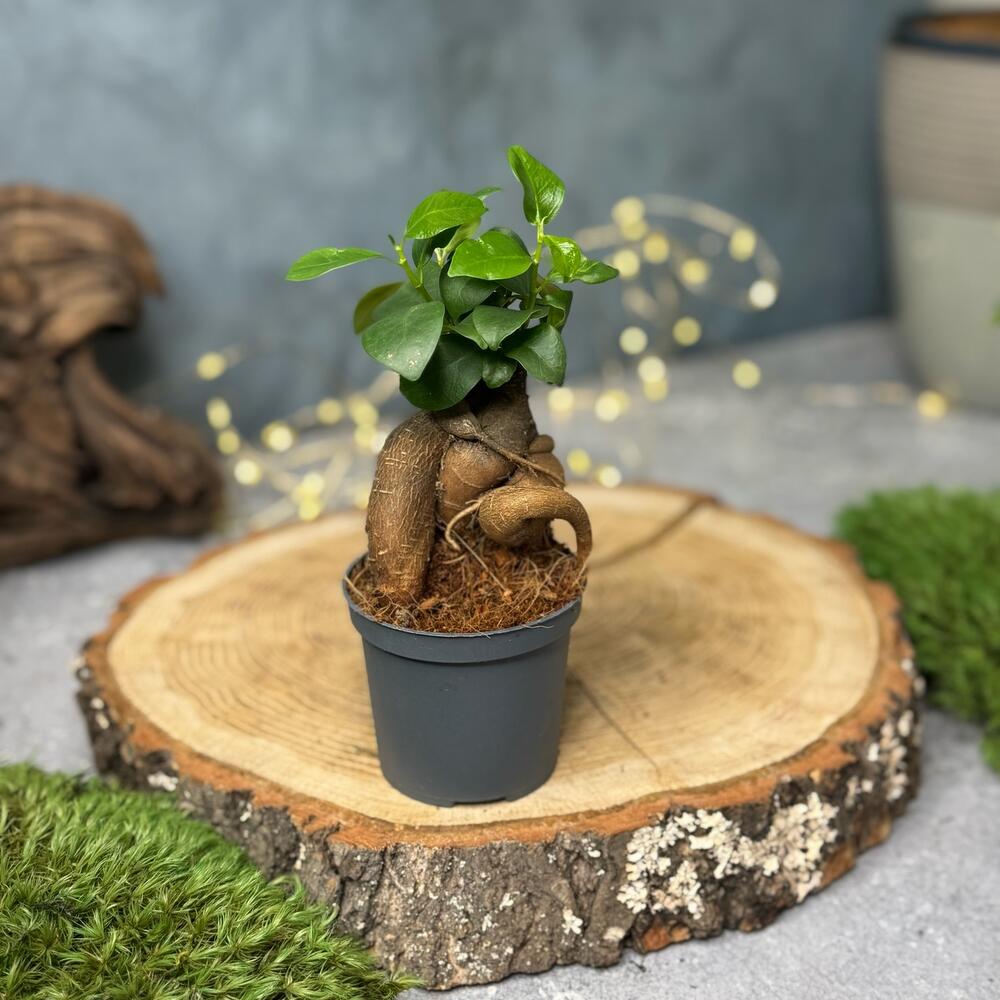
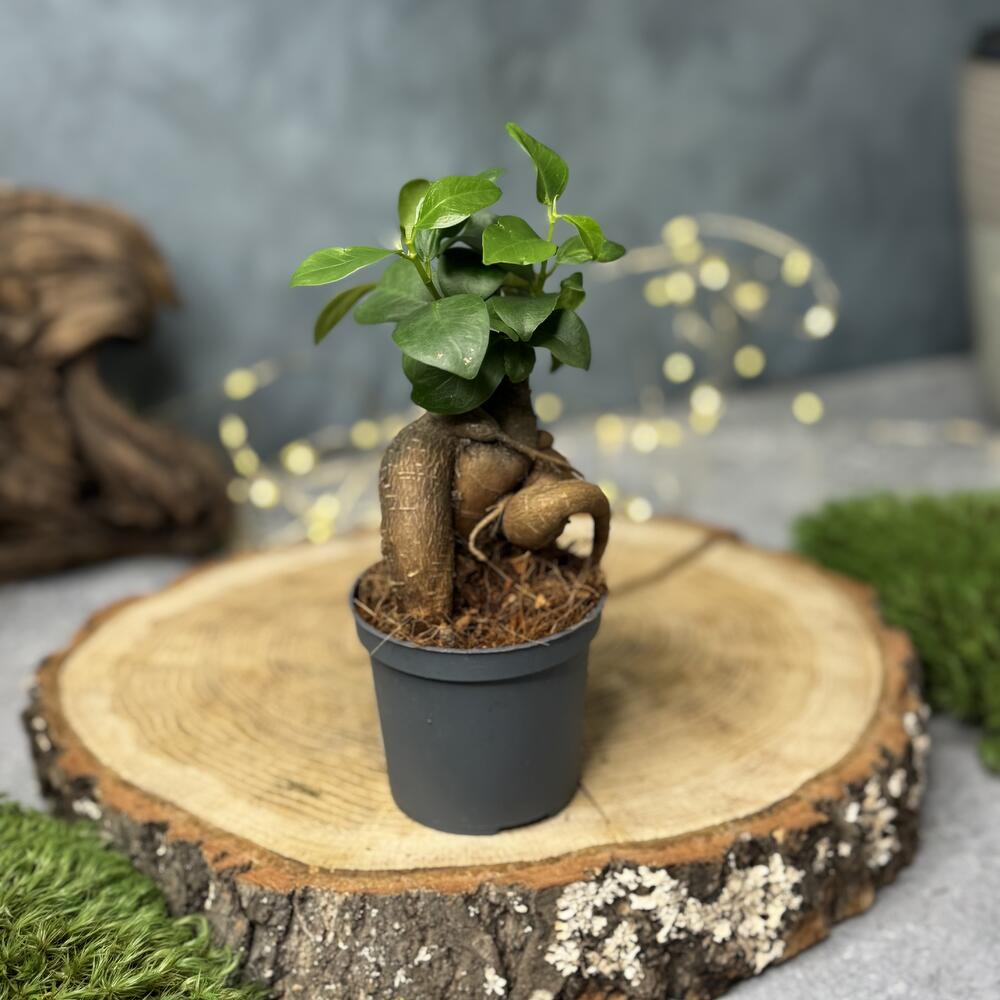
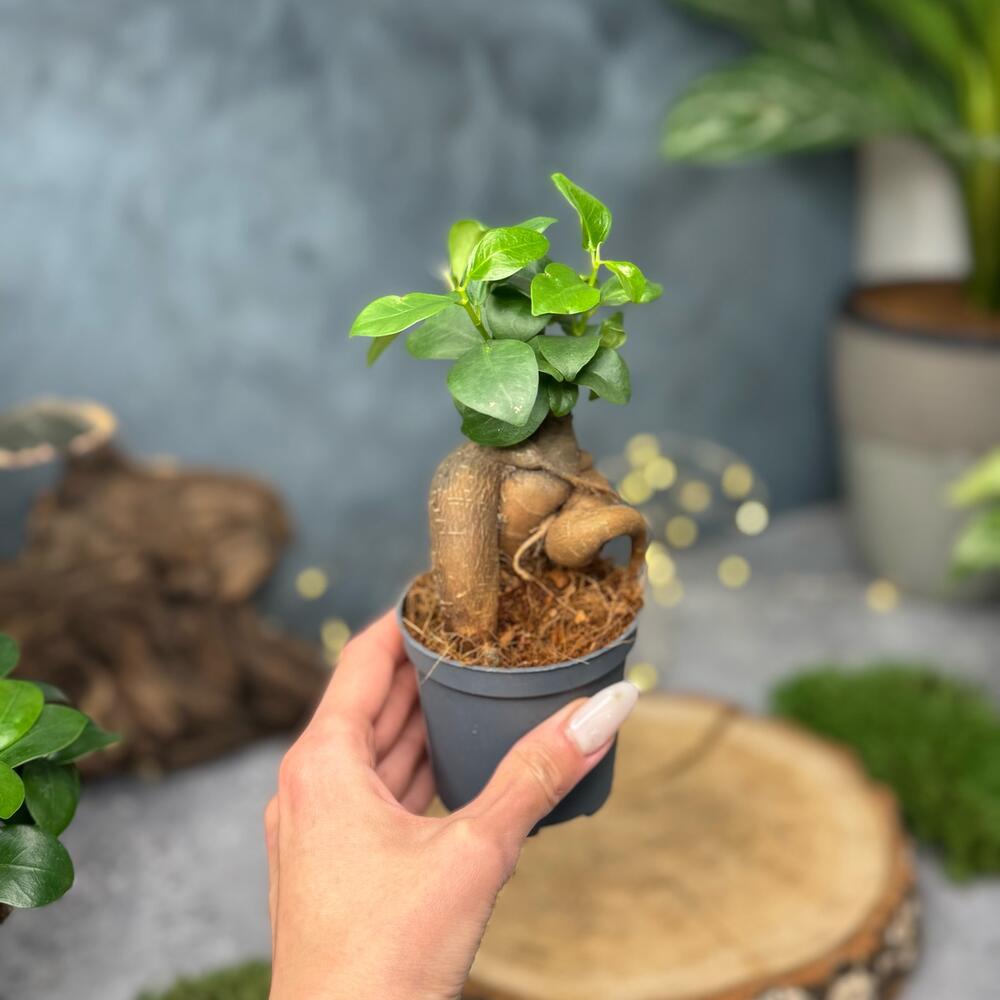
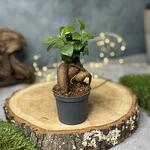
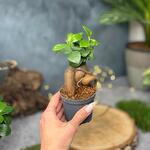
Миниатюрный Фикус Микрокарпа Гинсенг (Ficus microcarpa Ginseng) - удивительное вечнозеленое многолетнее растение в виде небольшого деревца, больше похожего на бонсай. Древовидный ствол имеет необычное основание - по форме напоминает корень женьшеня. Название Микрокарпа основано на внешней характеристике его плода. Он очень мал, едва достигает сантиметра. На греческом языке маленький плод звучит как mikros и karpos. А название Ginseng фикус получил в честь капризного подвоя, напоминающего женьшень, корень имбиря. На этот характерный подвой прививаются побеги фикуса микрокарпа, красивого темно-зеленого, мелколистного и компактно растущего сорта фикуса. За фикусом женьшенем очень легко ухаживать, поверьте, он не доставит вам хлопот. Фикус родом из лесов Южно-Восточной части Азии, юга Китая и северной части Австралии. В естественных условиях имеет внушительные размеры, достигая в высоту 25 метров. Имеет густую и очень широкую крону. Комнатные экземпляры не превышают 1,5 метров в высоту. Многие из представителей вида выращиваются в стиле бонсай и имеют миниатюрные размеры.
Care Guide
Lighting The best location is from partial shade to direct sunlight. Temperature The optimal temperature for development is from 24 to 27 degrees. Moreover, not only the aboveground part of the ficus needs heat, but also its roots, so you should not put it on a windowsill or a cold floor in winter. In winter, the plant should not be kept near batteries. Watering It is best to keep a clod of earth dry; in summer, ginseng requires more water than in winter. Try to avoid complete drying out of the earthen lump. In winter, watering should be moderate. Microcarp is sensitive to the composition of water, so watering is carried out with well-settled (at least 12 hours) water at room temperature. Air humidity An important condition for full development is increased air humidity. To do this, the ficus is regularly sprayed with water and the leaves are periodically washed with a warm shower. Fertilizers Ficus microcarpa gratefully responds to foliar fertilization and fertilization of the soil. It is periodically sprayed with a slightly concentrated solution of mineral fertilizers. Universal fertilizers are applied to the soil for ornamental and deciduous plants or for bonsai. Pruning and shaping of the crown One of the conditions for making a plant particularly decorative is regular spring or autumn pruning in order to form a crown. Ficus ginseng can be pinched and pruned well, so let your imagination run wild and let the plant grow according to your wishes. Common problems The lethargy of the plant and the shedding of leaves are most likely due to a lack of moisture. Immerse the pot with the plant in a container with water, let the roots soak well, then drain the water and let the remaining water drain. Then put the plant back in its original place. Or low air humidity. Under such conditions, ficus becomes susceptible to diseases and pests. Leaf spotting is more often an excess of moisture, which is fraught with rotting of the roots.
Миниатюрный Фикус Микрокарпа Гинсенг (Ficus microcarpa Ginseng) - удивительное вечнозеленое многолетнее растение в виде небольшого деревца, больше похожего на бонсай. Древовидный ствол имеет необычное основание - по форме напоминает корень женьшеня. Название Микрокарпа основано на внешней характеристике его плода. Он очень мал, едва достигает сантиметра. На греческом языке маленький плод звучит как mikros и karpos. А название Ginseng фикус получил в честь капризного подвоя, напоминающего женьшень, корень имбиря. На этот характерный подвой прививаются побеги фикуса микрокарпа, красивого темно-зеленого, мелколистного и компактно растущего сорта фикуса. За фикусом женьшенем очень легко ухаживать, поверьте, он не доставит вам хлопот. Фикус родом из лесов Южно-Восточной части Азии, юга Китая и северной части Австралии. В естественных условиях имеет внушительные размеры, достигая в высоту 25 метров. Имеет густую и очень широкую крону. Комнатные экземпляры не превышают 1,5 метров в высоту. Многие из представителей вида выращиваются в стиле бонсай и имеют миниатюрные размеры.
Care Guide
Lighting The best location is from partial shade to direct sunlight. Temperature The optimal temperature for development is from 24 to 27 degrees. Moreover, not only the aboveground part of the ficus needs heat, but also its roots, so you should not put it on a windowsill or a cold floor in winter. In winter, the plant should not be kept near batteries. Watering It is best to keep a clod of earth dry; in summer, ginseng requires more water than in winter. Try to avoid complete drying out of the earthen lump. In winter, watering should be moderate. Microcarp is sensitive to the composition of water, so watering is carried out with well-settled (at least 12 hours) water at room temperature. Air humidity An important condition for full development is increased air humidity. To do this, the ficus is regularly sprayed with water and the leaves are periodically washed with a warm shower. Fertilizers Ficus microcarpa gratefully responds to foliar fertilization and fertilization of the soil. It is periodically sprayed with a slightly concentrated solution of mineral fertilizers. Universal fertilizers are applied to the soil for ornamental and deciduous plants or for bonsai. Pruning and shaping of the crown One of the conditions for making a plant particularly decorative is regular spring or autumn pruning in order to form a crown. Ficus ginseng can be pinched and pruned well, so let your imagination run wild and let the plant grow according to your wishes. Common problems The lethargy of the plant and the shedding of leaves are most likely due to a lack of moisture. Immerse the pot with the plant in a container with water, let the roots soak well, then drain the water and let the remaining water drain. Then put the plant back in its original place. Or low air humidity. Under such conditions, ficus becomes susceptible to diseases and pests. Leaf spotting is more often an excess of moisture, which is fraught with rotting of the roots.
Part of the text on this page was translated automatically
Ratings and reviews
Ekaterina
June 2026
Nadezhda
May 2026
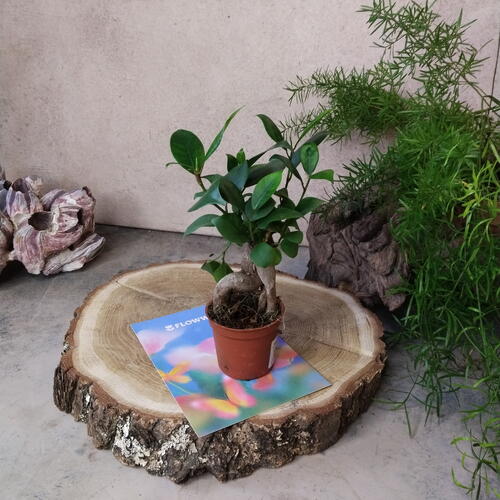
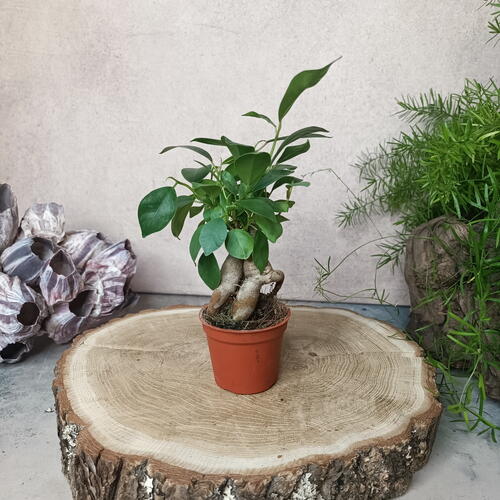
Спасибо большое магазину за исполнение желания именинника и быструю, бережную доставку
Translate to English
Georgiy
This week
Jikondrik
This week
Sender
July 2026
4721 rating • 3609 purchases
Report Item
Other items of this shop